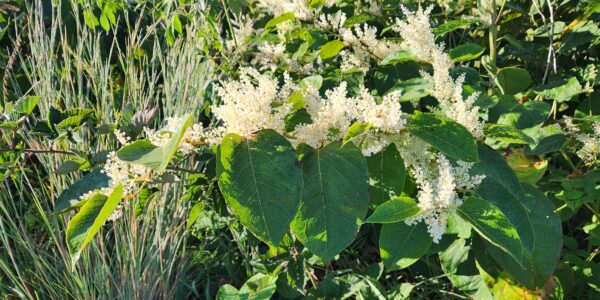
A close-up of green leaves and clusters of small, white flowers, likely Japanese knotweed, in a sunlit outdoor setting with tall grasses in the background.

Plant Profile: Japanese Knotweed (Reynoutria japonica)

Direct Answer Japanese knotweed is a highly aggressive, invasive perennial plant characterized by its bamboo-like stems and an extensive underground root system. Effectively eradicating it requires permanently destroying the roots, which is most efficiently achieved through repeated chemical herbicide applications…

Read More

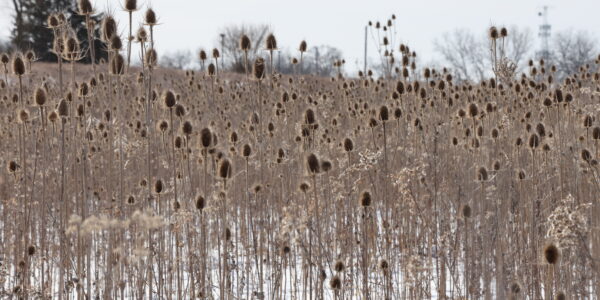
Teasel, Dipsacus sp dries 2nd year seed heads in winter.

Plant Profile: Teasel (Dipsacus sp.)

Direct Answer Teasel is a highly invasive biennial herbaceous weed, easily identifiable by its spikey cylindrical flower head, that aggressively crowds out native species in both disturbed and natural areas. Teasel completes its lifecycle in two years, starting as a…

Read More

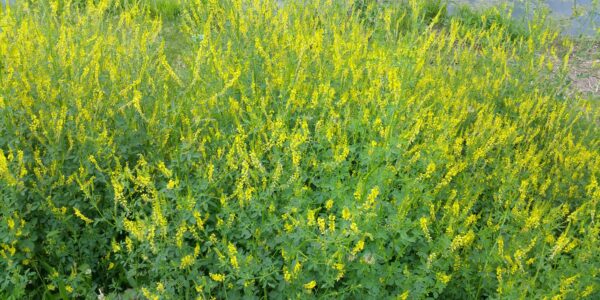
Monotypic stand of flowering yellow sweet clover Melilotus officinalis.

Plant Profile: Sweet Clover (Melilotus sp.)

Direct Answer Sweet clover is an invasive biennial weed that damages native habitats, and the most effective way to control it is by mowing during its peak flowering stage before seeds can form. Alternative control methods like hand-pulling or careful…

Read More

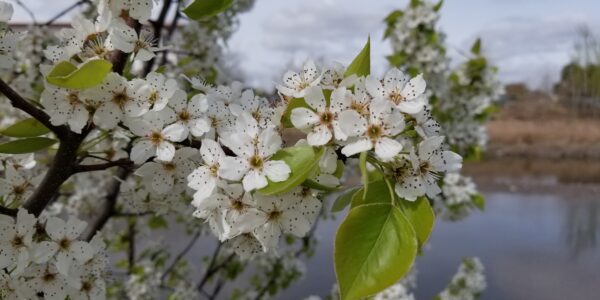
Callery pear, pyrus calleryana close up of white stinky flowers in spring.

Plant Profile: Callery Pear (Pyrus calleryana)

Direct Answer The Callery pear (Pyrus calleryana) is a highly invasive ornamental tree that rapidly escapes planted areas to outcompete native vegetation across the Midwest and eastern United States. Controlling it requires halting new installations and removing existing trees using…

Read More

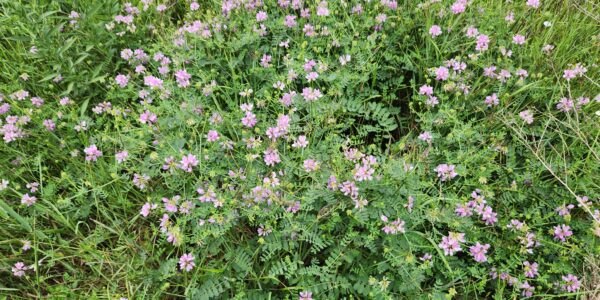
Crown Vetch

Plant Profile: Crown Vetch (Securigera varia)

If you’re a gardener or a friend to bees, you may have been tempted to plant crown vetch in your flower beds. It grows quickly, it’s easy to take care of, and its flowers are pretty and prolific. Yet while…

Read More

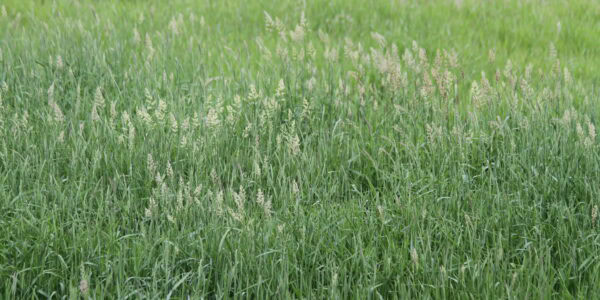
Reed Canary Grass Stand

Plant Profile: Reed Canary Grass (Phalaris arundinacea)

Few invasive species cause more havoc in our wetlands than reed canary grass, or RCG for short. Nearly ubiquitous, this seemingly unremarkable grass has been taking over our streams, marshes, and meadows for decades, leaving little room for other plant…

Read More

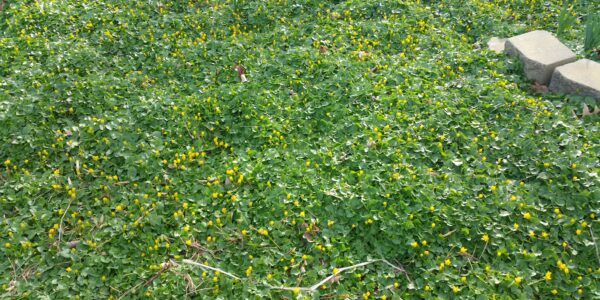
Carpet of lesser celandine crowding out the native spring ephemerals.

Plant Profile: Lesser Celandine (Ficaria verna)

In the early spring, you may be walking along rivers and streams and notice a stunning display of yellow and green. While this carpet of flowers may be beautiful, it has a more sinister side, replacing all other spring wildflowers…

Read More

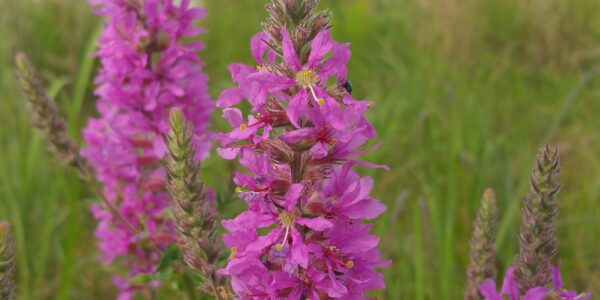
Purple Loosestrife

Plant Profile: Purple Loosestrife (Lythrum salicaria)

When we are working in a natural area, people will frequently ask our crews what we are doing, and why, and having a beautiful purple flower that was once sold at garden centers being removed or treated with herbicide will…

Read More

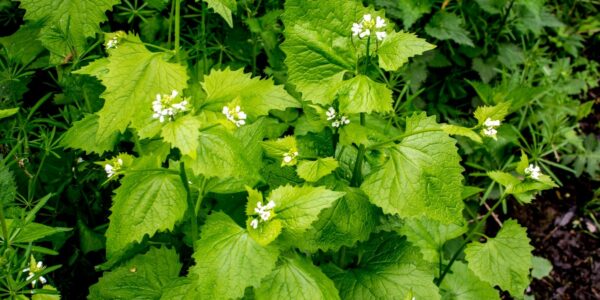
2nd year garlic mustard bolted with white flowers.

Plant Profile: Garlic Mustard (Alliaria petiolata)

If you ever volunteered at your local forest preserve, you may find yourself in the woods pulling garlic mustard. Some organizations across the country even hold competitions to see who can pull the most. But what is it about garlic…

Read More